
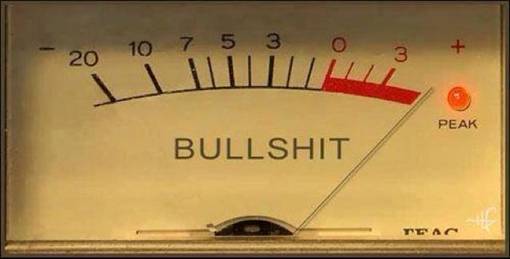
The Snug Harbor Board of Governors recently posted an invitation on Facebook encouraging residents to “Come meet your 2026 board, bring your questions, concerns and visions for your Snug Harbor.”
On the surface, the message suggests openness, engagement, and perhaps even a fresh start. But for many residents, that optimism is hard to summon—because while there are a few new faces, the structure, relationships, and patterns of governance remain largely the same.
Not a New Board—Just a Slightly Rearranged One
This is not an entirely new board. Of the members seated for 2026, three are new:
- One member was appointed, not elected, and is publicly known to be a friend of an existing board member.
- Two members were elected, one of whom is the spouse of a current sitting board member.
While none of this is necessarily prohibited, it does raise legitimate concerns about independence, objectivity, and the concentration of influence. For residents hoping for new perspectives and accountability, these connections make the board feel less like a reset and more like an extension of the same inner circle.
Bring Your Questions—But Don’t Expect Public Answers
The board’s post encourages residents to bring their questions, concerns, and visions. Many residents already have—and often do.
The problem isn’t a lack of participation; it’s what happens next.
Time and again, questions raised during open meetings are met with familiar responses:
- “We’ll discuss that at a work meeting.”
- “Let’s table that.”
- “We should talk about that privately.”
These phrases have become a pattern, effectively moving meaningful discussion out of public view. When concerns are consistently deferred to closed settings, the promise of openness rings hollow.
Transparency Requires More Than an Invitation
Transparency isn’t just about allowing residents to speak—it’s about responding in the same public forum, explaining decisions clearly, and documenting how input is considered.
When residents feel redirected, dismissed, or subtly reframed as “misinformed,” trust erodes. And when trust erodes, invitations like this begin to feel less like genuine outreach and more like performative governance.
So Why Meet the 2026 Board?
For many in Snug Harbor, the question remains:
Why bring questions, concerns, and visions when experience suggests they won’t be addressed openly or meaningfully?
If the Board of Governors truly wants engagement, it must demonstrate—through action, not social media—that resident voices matter. That means public answers, real dialogue, and a willingness to confront uncomfortable issues in the open.
Until then, residents are left wondering whether this meeting is about listening—or simply maintaining the appearance of it.