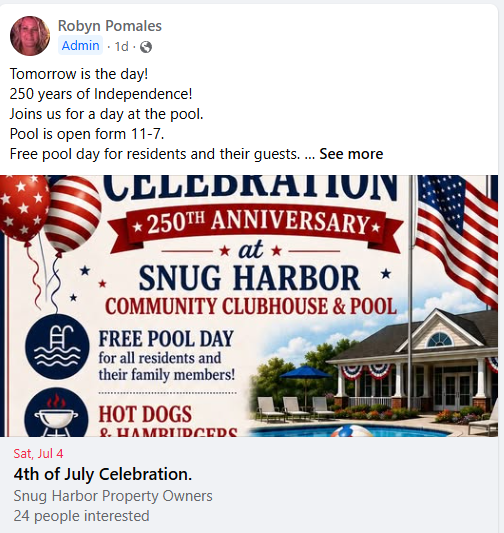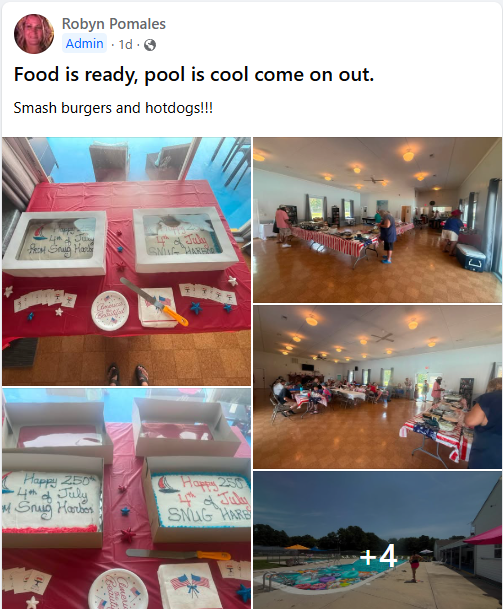
Some members of the SHPOA Board who also happen to be administrators of the SHPOA Facebook groups seem to have convinced themselves that clicking the “Block” button somehow gives them control over information. It doesn’t. It just demonstrates a fundamental misunderstanding of how people communicate in the real world.
Apparently, the strategy is simple: if someone asks uncomfortable questions, disagrees with the Board, or refuses to blindly applaud every decision, block them. Problem solved.
Except… it isn’t.
The arrogance behind that thinking is almost impressive. It assumes everyone else is too naïve to realize that Facebook isn’t the only way information moves. News spreads. Screenshots get shared. Friends talk. Neighbors compare notes. and there are backdoors within Facebook that allows non-members of the group, to read everything. People discuss what’s happening every day. Blocking someone from a Facebook group doesn’t erase reality—it just makes the administrator look petty.
If the goal is transparency, these tactics are a spectacular failure.
Leadership isn’t about controlling who gets to see information. It’s about being willing to answer for your decisions. Instead, some Board members appear more interested in controlling the narrative than engaging with the community they’re supposed to represent.
Nothing says “we’re confident in our decisions” quite like silencing anyone who might challenge them.
Here’s the irony: every block raises more suspicion than the original comment ever could. Every deleted post makes people wonder what was so threatening about a question. Every attempt to shut someone out encourages more people to pay attention.
It’s a self-inflicted public relations disaster.
Real leaders don’t hide behind Facebook admin privileges. They don’t confuse the ability to remove comments with earning respect. They don’t mistake censorship for leadership.
Being an administrator of a Facebook group isn’t a position of power. It’s a housekeeping role. Acting as though it grants authority over what people know or discuss is more than misguided—it’s embarrassing.
The internet has existed long enough that everyone understands a simple fact: information finds a way. It always has, and it always will.
If some members of the SHPOA Board genuinely believe blocking critics will stop those critics from knowing what’s going on, they’re fooling only themselves. All they’ve accomplished is creating the impression that they’re more interested in avoiding scrutiny than embracing accountability.
The community deserves Board members who understand that transparency isn’t optional, criticism isn’t a personal attack, and respect cannot be demanded by clicking “Block.”
If your first instinct is to silence dissent instead of answering questions, perhaps the problem isn’t the people asking them.